1. Call and describe
The caller explains the illness, how many rooms were affected and how long the space was occupied. This shapes the plan.
Rutgers University-Livingston Campus, NJ · Middlesex County
One call to (877) 812-4220 starts infectious disease disinfection in Rutgers University-Livingston Campus. The work includes assessing the space, decontaminating surfaces, treating the air-contact areas and disposing of contaminated waste.
If anyone is in danger, call 911 first. For a suicide crisis, call or text 988.
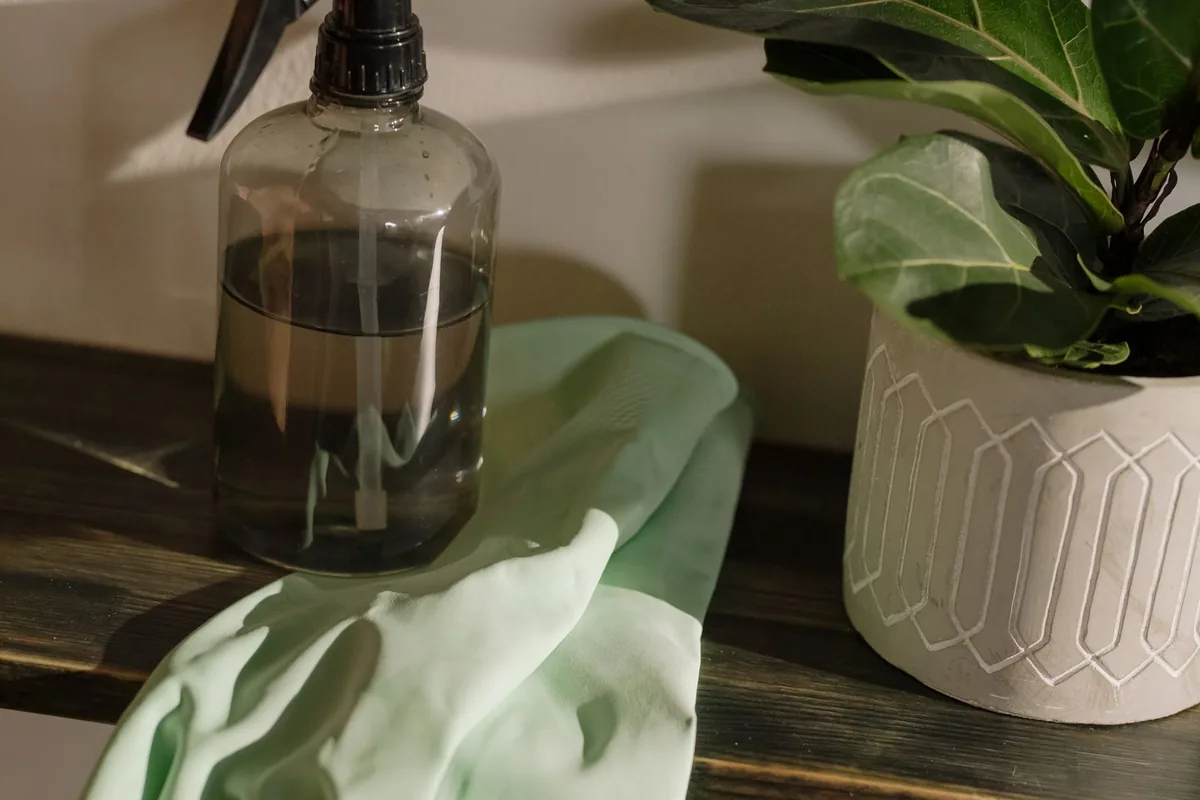
Coronavirus surface decontamination targets places many hands touch: door handles, light switches, railings, counters, keypads and faucets. Each is cleaned first, then disinfected with an approved product.
Need biohazard decontamination and disinfection in Middlesex County, including Rutgers University-Livingston Campus? Call Rutgers University-Livingston Campus Biohazard Cleanup Help when an illness has left a space you are not sure is safe. Families and managers often start there.
In a smaller community like Rutgers University-Livingston Campus, one outbreak at a single workplace, school or care site can affect many households. The nearest emergency room, Robert Wood Johnson University Hospital in New Brunswick, is about 2 miles away. Call 911 for serious symptoms; cleanup comes after.
Infectious Disease Disinfection in Rutgers University-Livingston Campus usually includes:
The caller explains the illness, how many rooms were affected and how long the space was occupied. This shapes the plan.
Crews learn what illness is involved, since the right disinfectant and contact time depend on the germ.
Each surface is cleaned, then treated with a disinfectant matched to the germ. Items that cannot be disinfected are removed.
Bagged waste leaves with the crew. The space is checked and returned for normal use.
Most infectious disease disinfection jobs in Rutgers University-Livingston Campus, NJ cost between $1,000 and $10,000, based on published cost guides.
Odor treatment is added when the smell has settled into fabric or building materials, because it takes extra products and time.
| Type of job | Typical range |
|---|---|
| Virus decontamination | $1,500 - $3,500 |
| Infectious disease decontamination | $2,000 - $8,000 |
| Infectious disease disinfection | $1,500 - $10,000+ |
| Infectious disease decontamination | $1,000 - $8,000 |
Figures are planning ranges from Fixr, PushLeads, Biohazard cleanup cost guide from a biohazard cleanup company, Biohazard cleanup company pricing guide, not a price for any specific Rutgers University-Livingston Campus property. Price drivers include size of the space, type of germ, number of surfaces and rooms, air system treatment. Call (877) 812-4220 any hour.
Try the Rutgers University-Livingston Campus Biohazard Cleanup Cost Calculator →
It is the cleaning and disinfection of a space after contagious illness. Crews use protective gear, clean surfaces first and apply EPA-registered disinfectants matched to the germ. Contaminated waste is removed and disposed of correctly.
Yes. Flu, norovirus, MRSA, C. diff and E. coli each call for the right product and technique. Crews match the disinfectant to the germ, since not every product works against every germ.
Clean the surface first, then apply an EPA-registered disinfectant that lists the virus. Follow the label for contact time and any rinse step. Different surfaces, such as wood, fabric and electronics, need different products.
It is the removal or neutralizing of infectious materials from a space. That can mean blood, body fluids, waste or viruses on surfaces. Crews contain the area, clean, disinfect and dispose of waste under safety rules.
Alcohol-based products can inactivate the virus when the alcohol content is high enough and the surface stays wet long enough. Many professional crews use EPA-registered disinfectants because the label shows the proven contact time and surfaces it is safe for.
Renters policies often cover a tenant's belongings but not the building. A landlord's or business policy may cover the space. Lease and local law decide who pays between a landlord and a tenant. Employers and property managers often pay after an outbreak.
See all biohazard cleanup services in Rutgers University-Livingston Campus, NJ →
Call (877) 812-4220. Careful COVID-19 and biohazard decontamination is a phone call away.
Call (877) 812-4220