1. Safety first
Everyone leaves the area, and 911 is called if anyone is in danger. Crews check air and surroundings before entering.
Rutgers University-Livingston Campus, NJ · Middlesex County
Looking for toxic waste removal in Rutgers University-Livingston Campus, NJ? (877) 812-4220 is answered 24/7. Cleanup crews wear protective gear matched to the substance and keep the spill from reaching drains and soil.
If anyone is in danger, call 911 first. For a suicide crisis, call or text 988.
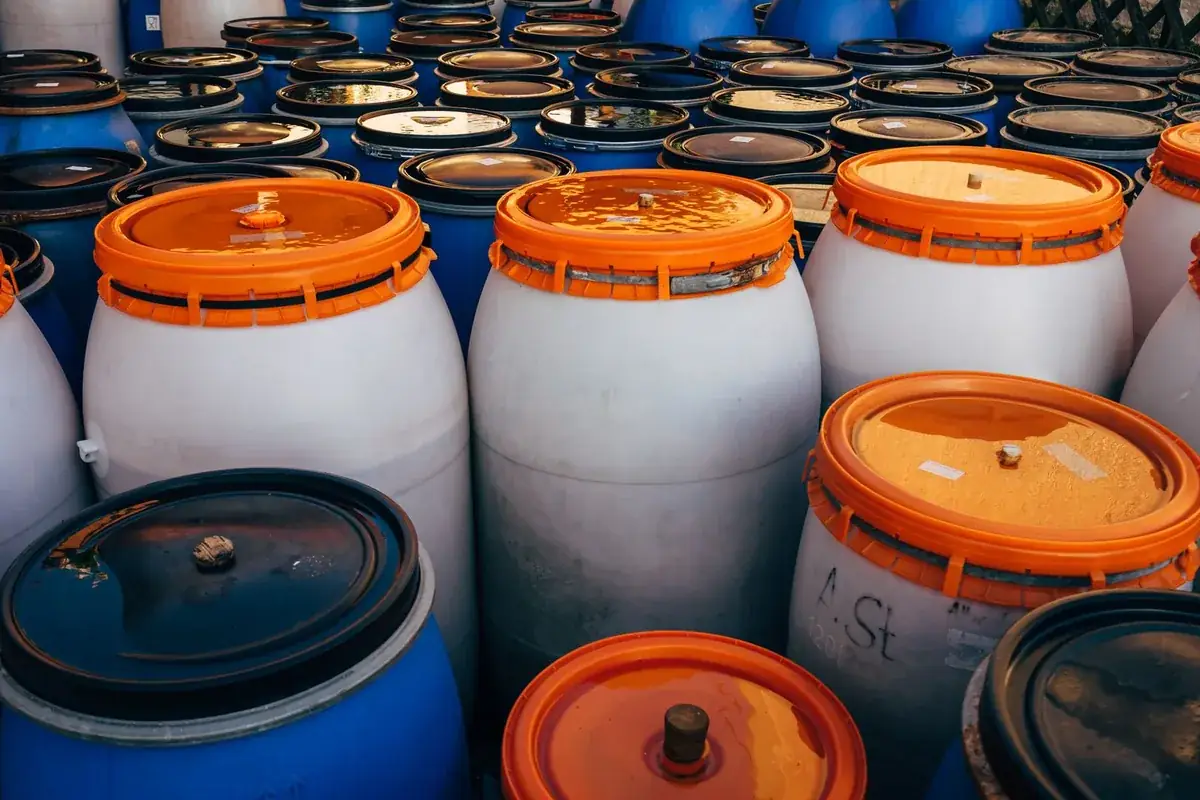
Unlike biohazard work, which deals with blood and other germs, chemical cleanup deals with harmful substances such as solvents, acids and pesticides. Some jobs involve both, and the crew plans for each.
When your Rutgers University-Livingston Campus property has chemical waste that nobody should touch, you get a team with the gear, absorbents and containers to finish the job safely. Call Rutgers University-Livingston Campus Biohazard Cleanup Help, and you get plain answers and documentation.
With a Relatively High river flood risk rating from FEMA, Middlesex County can see stored chemicals shift or leak after high water. Fewer homes in Middlesex County sit empty, so chemical calls tend to come from occupied properties with leaking garage or shed containers.
Chemical & Toxic Waste Cleanup in Rutgers University-Livingston Campus usually includes:
Everyone leaves the area, and 911 is called if anyone is in danger. Crews check air and surroundings before entering.
The team arrives in an unmarked vehicle, checks in with the owner and secures the area. Suits go on at the edge of the work zone.
Crews in protective suits remove the product and the contaminated materials. Products are never mixed, and tools used on the spill are cleaned or discarded afterward.
Different products are kept apart so that they cannot react. Waste is labeled and moved by the rules that apply to its type.
The cost of chemical & toxic waste cleanup in Rutgers University-Livingston Campus, NJ depends on the amount of material, how it is packed and how it is hauled.
The price of chemical and toxic waste cleanup depends first on the type of substance and how much there is. Some products are simple to contain, while others need special packing and disposal.
| Type of job | Typical range |
|---|---|
| Hazardous chemicals | $30 - $50 per barrel |
Figures are planning ranges from Fixr, not a price for any specific Rutgers University-Livingston Campus property. Price drivers include type of chemical, amount, packaging and transport, disposal fees. Call (877) 812-4220 any hour.
Try the Rutgers University-Livingston Campus Biohazard Cleanup Cost Calculator →
Many jobs take part of a day to a few days. A small spill may be quick. A large release, a soaked site or many unknown containers take longer, and waste pickup can add time. A local team can give a better estimate after seeing the site.
Open a window if it is safe, leave the room and keep people and pets away. Do not vacuum or sweep mercury, since that spreads it. Call Poison Control with questions, and call a cleanup team if the spill is large.
Chemicals can irritate or burn skin and eyes, harm the lungs and poison people who swallow them. Some give off fumes or catch fire. Call 911 in an emergency and Poison Control for exposure questions, and tell them the product name if known.
It depends on the policy. Some cover sudden spills, and many exclude pollution or long-term leaks. Read your policy and call the insurance company before cleanup starts, then take photos from a safe spot and keep every receipt.
OSHA sets safety rules for workers who handle hazardous substances. Professional crews follow those rules and use gear matched to the hazard. Employers have their own duties, which safety staff or an attorney can explain.
Old or leaking products are a risk. Heat, humidity and age can damage containers, and fumes can build up. If containers are leaking, damaged or unlabeled, have a cleanup team remove them.
See all biohazard cleanup services in Rutgers University-Livingston Campus, NJ →
Questions about insurance, records or timing are welcome.
Call (877) 812-4220