1. Make sure the site is released
Cleanup does not start while police or investigators are still working. The owner can confirm the release with the agency.
Rutgers University-Livingston Campus, NJ · Middlesex County
Do not scrub or air out a suspected drug lab on your own. In Rutgers University-Livingston Campus, call (877) 812-4220 to ask about meth lab cleanup, from sampling surfaces to hauling contaminated materials away.
If anyone is in danger, call 911 first. For a suicide crisis, call or text 988.
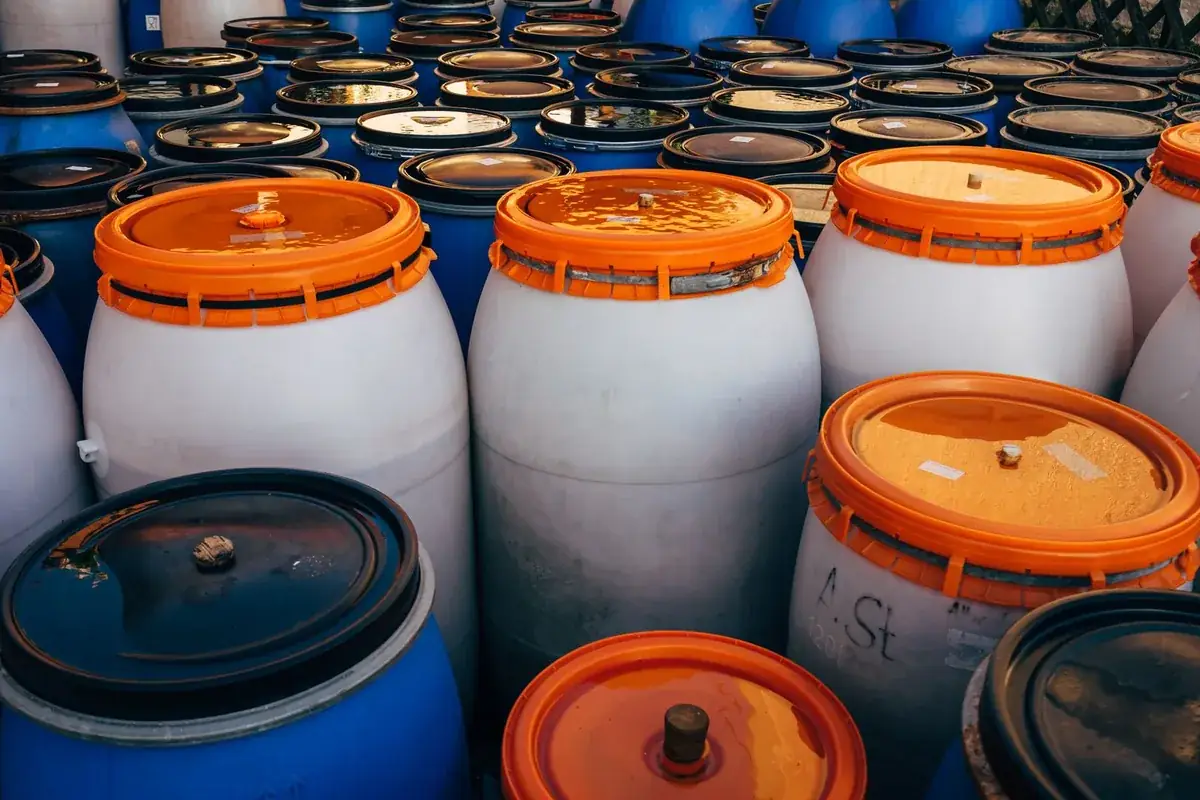
Meth lab cleanup differs from ordinary cleaning because the hazard is chemical, not just dirt. Residue can be absorbed through skin, breathed in or carried on hands to the mouth.
If a notice, a test result or a strange odor points to a former drug lab at your Rutgers University-Livingston Campus property in Middlesex County, call Rutgers University-Livingston Campus Biohazard Cleanup Help. The crew is discreet and can arrive in an unmarked vehicle if privacy matters.
The vacancy rate in Middlesex County is only about 3%, so most meth cleanup calls come from occupied homes, rentals and recent move-outs. Homes in Middlesex County were built in different eras, and about 57% date from before 1980. Testing, not the age of the house, shows what needs to be done.
What drug lab & meth lab cleanup covers:
Cleanup does not start while police or investigators are still working. The owner can confirm the release with the agency.
Testing first means the team knows what it is dealing with, and it avoids guesswork about where to remove materials.
Cleanup technicians work room by room, and then treat air and odor.
The team takes final samples and prepares records the owner can keep for insurers, lenders or future buyers.
Drug lab & meth lab cleanup in Rutgers University-Livingston Campus, NJ typically costs $1,500 to $120,000, depending on the size of the affected area and the materials involved.
The heating and cooling system can add work, because ducts, vents and filters may need cleaning or replacement.
| Type of job | Typical range |
|---|---|
| Moderate contamination | $10,000 - $25,000 |
| Drug remediation projects | $5,000 - $25,000+ |
| Light use contamination | $5,000 - $10,000 |
| Typical average | $15,000 - $20,000 |
Published ranges only (PushLeads, Drug biohazard cleanup cost guide, BioCleaners Directory, Biohazard cleanup company pricing guide); every drug lab & meth lab cleanup job in Rutgers University-Livingston Campus is priced after an on-site look. Price drivers include whether it was smoking or production, size of the home, air system contamination, testing before and after. Questions? Call (877) 812-4220.
Try the Rutgers University-Livingston Campus Biohazard Cleanup Cost Calculator →
A tester wipes or swabs defined areas of walls, floors, vents and other surfaces and sends the samples to a lab. The results show which areas hold residue. Testing happens before cleanup to plan the work and again afterward to check it.
Rules for drug lab cleanup vary by state, county and city. The local health department or the property owner's attorney can confirm what testing and clearance apply where you live. A cleanup team can explain its own process and what records you get.
It is not recommended. Residue cannot be seen, and household cleaners can spread it. Leftover chemicals and contaminated materials may also need regulated handling. If you suspect a former lab, leave, keep people and pets out, and call 911 or Poison Control for symptoms.
Reported effects include headaches, nausea, coughing, throat and eye irritation and skin problems. Children and pets are closest to floors and furniture. Anyone who feels ill should see a doctor or call Poison Control and mention the property.
That depends on testing and cleanup. A buyer or lender can ask for test reports and cleanup records. A cleanup team can explain what the reports show. A real estate attorney can advise on disclosure and sale terms.
Owners usually carry the cost of cleaning their own property. For rentals, the lease and local law decide who is responsible, and a landlord, an attorney or a tenant rights group can say. Renters policies often cover a tenant's belongings rather than the building.
See all biohazard cleanup services in Rutgers University-Livingston Campus, NJ →
Describe what you know about the property, and the team will explain how testing works.
Call (877) 812-4220