1. Keep everyone back
Before pickup, the owner keeps children, pets and visitors away from the waste and leaves it where it is.
Rutgers University-Livingston Campus, NJ · Middlesex County
A clinic closing, a home care patient moving out or a cleanup that left bags of soiled supplies can all lead to one question. Where does it go? Call (877) 812-4220 in Rutgers University-Livingston Campus for packing, hauling and disposal.
If anyone is in danger, call 911 first. For a suicide crisis, call or text 988.
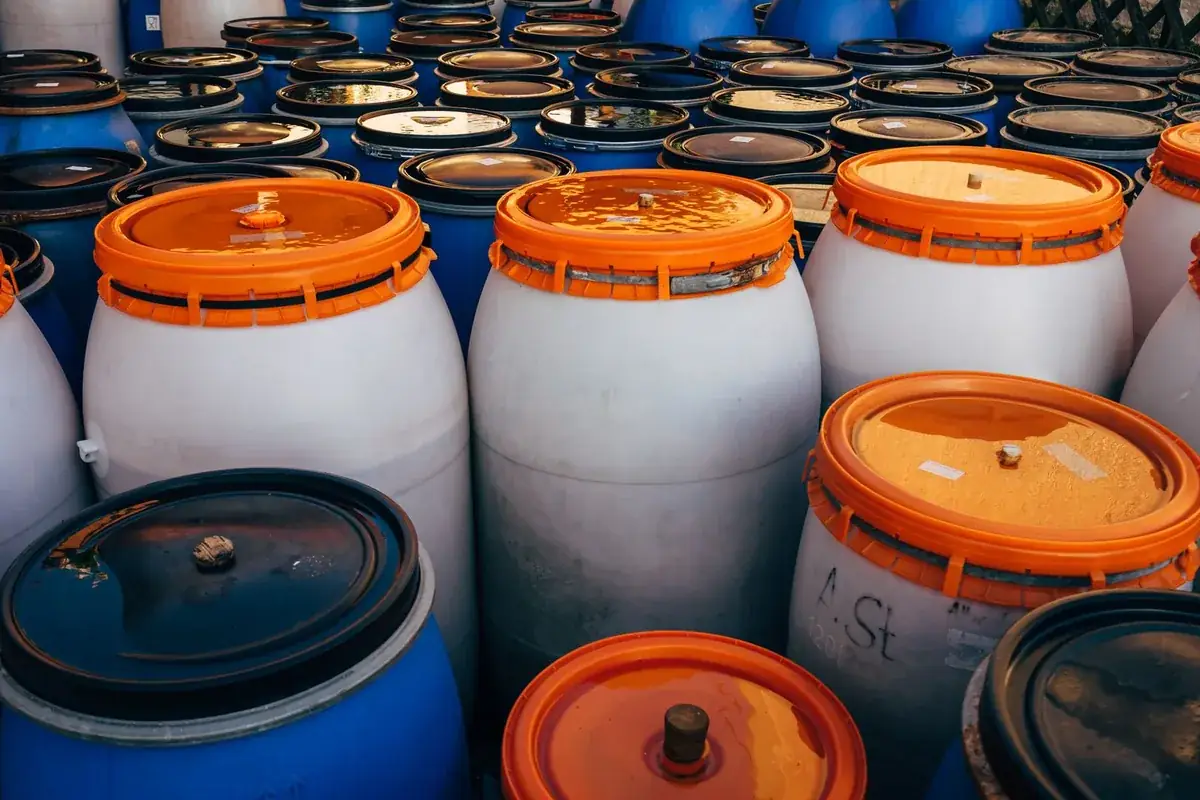
Biohazard material disposal is the final stage of a cleanup, where sealed containers leave the property and go to a facility that treats or destroys the waste. Each step of that route matters, because skipping one can leave a hidden hazard.
If you are dealing with a loved one's supplies in Rutgers University-Livingston Campus or elsewhere in Middlesex County, you can get calm, step-by-step medical waste removal from Rutgers University-Livingston Campus Biohazard Cleanup Help. Crews take care of the sorting, packing and hauling, and you decide what else needs attention.
The median age in Rutgers University-Livingston Campus is 20. Medical waste still comes from injuries, diabetes care, tattoo shops, salons and small clinics. If anyone is stuck by a needle or splashed, the nearest emergency room is Robert Wood Johnson University Hospital in New Brunswick, about 2 miles away. Call 911 if it is an emergency.
Medical Waste Removal in Rutgers University-Livingston Campus usually includes:
Before pickup, the owner keeps children, pets and visitors away from the waste and leaves it where it is.
Crews wear PPE and bring containers made for sharps and soaked items. Owners do not need to move or sort anything first.
Sealed containers are loaded and taken off the property. Nothing is left in the regular trash or a dumpster.
For clinics and care homes, the team can talk about a pickup schedule so full containers never pile up.
The cost of medical waste removal in Rutgers University-Livingston Campus, NJ depends on the amount of material, how it is packed and how it is hauled.
Timing can matter too. Urgent same-day needs, nights and weekends may be handled differently from a pickup booked in advance.
| Type of job | Typical range |
|---|---|
| Regulated medical waste | $0.30 - $0.80 per pound |
| Small physician practice | $75 - $200 per month |
| Medical waste disposal | $2 - $20 per pound |
| Dental office | $50 - $175 per month |
These ranges come from published cost guides (MedPro Disposal, Fixr) and are not a quote for Rutgers University-Livingston Campus. Price drivers include weight of waste, type of waste, how often pickup happens, container and transport fees. For a real number, call (877) 812-4220.
Try the Rutgers University-Livingston Campus Biohazard Cleanup Cost Calculator →
Medical waste is waste that may carry germs. Examples include used needles and syringes, dressings soaked with blood or bodily fluids, and clinical waste from a practice or lab. A cleanup team can look at what you have and explain how each item is handled. You do not need to sort it first.
Some pharmacies, hospitals and local programs accept small household sharps containers, and some do not. Call ahead and ask. Programs differ by city and county, and the local health department can point to the right place.
Sealed containers are taken to a facility that treats regulated medical waste, which makes it safe for final disposal. Ask the team how its waste is hauled and disposed of. A disposal record can help when an insurer or landlord asks, so request one when you need it.
In many cases the person who calls does not need to be at the property. Ask the team how access and keys can be arranged. If you are out of town, say so when you call. Many teams can arrive in an unmarked vehicle, so ask if privacy matters.
Many cleanup teams offer scheduled pickups for small practices, salons, tattoo shops and care homes. Ask about frequency, container types and record keeping when you call. A good team explains the plan, the price range and what will be removed before it starts.
Stay back and keep others away. Do not pick up the needles. Note where they are and call a cleanup team or the local health department. A team can sweep the property, collect every sharp and haul the waste away.
See all biohazard cleanup services in Rutgers University-Livingston Campus, NJ →
Ask about discreet arrival in an unmarked vehicle if privacy matters.
Call (877) 812-4220